
Single Defect Report
Services
Need expert guidance with your property survey?
If you’re concerned about a crack, leak, or any single defect — our expert surveyors are here to assess it quickly and accurately. We provide focused inspections, clear reports, and trusted advice to help you take the right action.
What is Single Defect Report
Instead of surveying the entire property, our RSPA-certified surveyors target the exact area of concern using on-site inspections, visual assessments, moisture readings, and photographic evidence. You receive a detailed, evidence-backed report explaining what’s wrong, why it’s happening, and how to fix it quickly and cost-effectively. It’s the ideal solution when you need clarity fast without the cost of a full survey.
What Does A Single defect Covers?
Even though the report focuses on one issue, its investigation often connects to multiple building elements. Depending on the nature of the defect, we assess:
Structural Elements
Walls, beams, columns, floors, and foundations, checked for cracks, movement, settlement, or deterioration.
Interior & Exterior Finishes
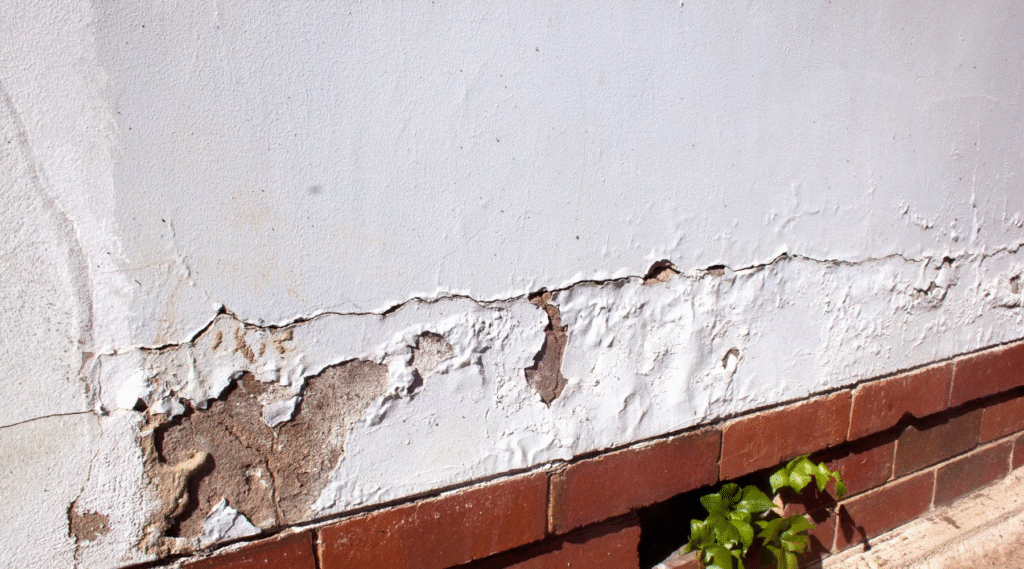
Ceilings, walls, floors, façades, assessed for dampness, leaks, water ingress, flaking, mould, or structural warning signs.
MEP (Mechanical, Electrical & Plumbing)
If the defect is connected to any system, we review plumbing, HVAC, electrical fixtures, and safety concerns to identify system-level causes.
Compliance & Regulation
We flag any risk of non-compliance with building regulations, fire safety standards, or health and safety requirements. This ensures the root cause is accurately diagnosed, not just the surface-level symptoms.
How Often Does Single Defect Need To Be Carried Out?
There’s no fixed schedule, it’s carried out as soon as a
problem appears.
The quicker we investigate, the lower the risk of escalation, damage, or unnecessary repair costs.
- A Crack
- A Leak
- A Damp stain
- A structural noise
- Anything unusual
How We Grade the Severity
Each defect is graded so you know exactly how urgent it is:
- A – Excellent No immediate concern; monitor lightly.
- B – Fair Minor issue; repair advised in due course.
- C – Poor Significant issue; repair needed soon.
- D – Critical Urgent action required; safety or structural risk. This grading system helps you prioritise repairs and budget accordingly.
Why a Single Defect Report Is Beneficial
A Single Defect Report gives you targeted clarity without the expense of a full inspection. It:
- Identifies the true cause behind the defect
- Prevents small issues from turning into major repairs
- Helps you stay compliant with building and safety regulations
- Protects the long-term value and performance of your property
- Supports homeowners, tenants, landlords, and solicitors with fast, reliable evidence
- Offers clear, actionable recommendations backed by professional reporting
Early diagnosis always saves money, and often protects the property from further degradation.
Acquisitions



Frequently Asked Questions
- Our
- FAQs
Everything You Need to Know
A Single Defect Report is a targeted inspection focused on one specific issue within a property — such as a crack, damp patch, roof leak, or structural movement. It provides expert diagnosis, supporting evidence, and recommendations for repair.
You should request one as soon as you notice a visible concern, such as a wall crack, ceiling stain, or signs of structural stress. Early reporting helps prevent further damage and unnecessary repair costs.
No. A Single Defect Report addresses only one specific issue, whereas a full building survey covers the entire property. This makes it more focused, faster, and more cost-effective when only one concern exists.
Common issues include:
– Cracks in walls or ceilings
– Water ingress and damp
– Roof leaks
– Uneven flooring or subsidence
– Isolated structural movement
Yes. You’ll receive a formal report that includes the defect description, potential causes, photos, and clear recommendations for resolution or further investigation if needed.
Absolutely. Our reports are written by qualified surveyors and can be used to support claims, resolve disputes, or provide evidence for repair planning and cost negotiations.