
Dilapidation Survey
Services
Need expert guidance with your property survey?
Whether you’re a landlord, tenant, or managing agent, our experienced surveyors are here to help. We provide detailed dilapidation reports, photographic evidence, and expert advice to support you before, during, or after a lease.
What is Dilapidation Survey?
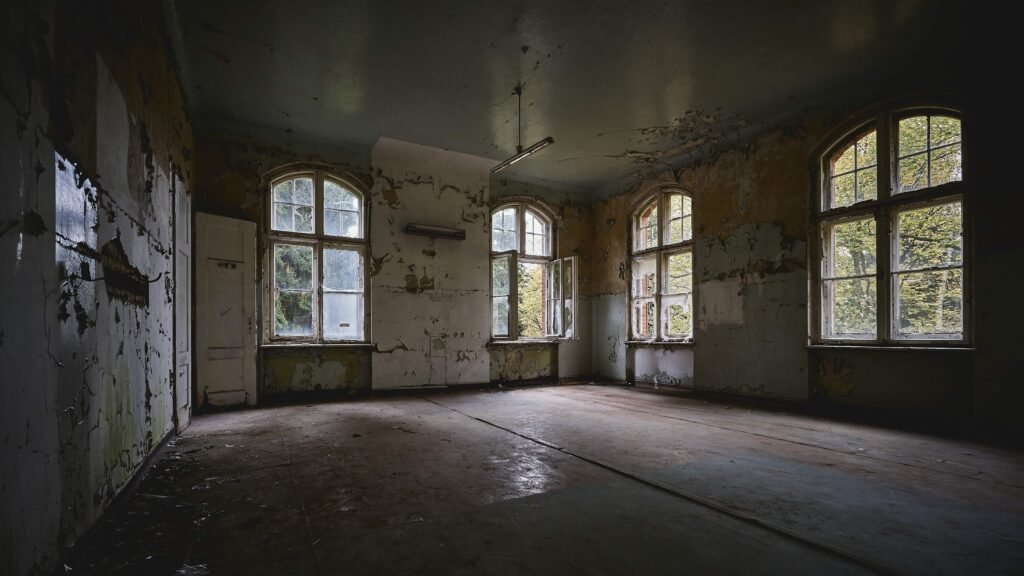
A dilapidation survey is a detailed inspection carried out before or after a lease or tenancy agreement. It documents the existing condition of a property, highlighting any signs of damage, deterioration, or wear and tear. This helps both landlords and tenants avoid future disputes and ensures full transparency.
The process includes a thorough review of the building’s structure and condition, identifying any cracks, movement, or damage. Surveyors may use photos, notes, or sketches to support their findings. After the inspection, a formal report is prepared with evidence and practical recommendations for resolving any issues.
As this is a specialised service requiring accuracy and experience, it’s essential to rely on a professional firm to carry it out correctly.
Do You Need a Dilapidation Survey?
Dilapidation surveys are often required by either tenants or landlords, especially near the start or end of a lease. If you’re a tenant approaching the end of your term, it’s wise to request a survey to document the property’s condition. Landlords can also benefit by ensuring their property remains in good order during or after tenancy.
This type of survey also supports smoother negotiations for lease renewals, helping clarify responsibilities and prioritise maintenance before new agreements are signed. If you’re involved in renting, leasing, or handing over a property, a dilapidation survey gives you the clarity needed to move forward with confidence.
The Benefits of Early Dilapidation Surveys
Getting a dilapidation survey done early offers many advantages. It provides a clear picture of the property’s current state, allowing you to plan any maintenance or repair work well in advance. Tenants can use the report to support lease negotiations by documenting existing issues, while landlords benefit by setting expectations upfront.
Early surveys also reduce the chances of disputes, as they establish a fair, evidence-backed baseline for the property’s condition. Overall, a timely survey ensures transparency and saves both time and money by identifying problems before they escalate.
How Much Could You Save?
While it’s difficult to provide an exact figure, a dilapidation survey can save significant costs for both tenants and landlords. Tenants can negotiate more effectively and avoid being charged for existing damage. Landlords, on the other hand, can plan targeted maintenance and avoid overspending on unnecessary repairs.
Ultimately, a well-timed survey ensures smart decision-making, reduces risk, and protects both parties from avoidable expenses.
What Is Included In A Dilapidation Report?
Also known as a “schedule of dilapidation,” the report provides a full analysis of the property’s condition and outlines what action may be required. It helps both landlords and tenants understand their responsibilities and plan cost-effective solutions.
- Property Description
- Lease Obligations
- Repairs and Maintenance Recommendations
- Cost Estimates
- Priority Rating
- Appendices ( lease agreement, photographs of the property, and any other relevant documents )
Frequently Asked Questions
- Our
- FAQs
Everything You Need to Know
A dilapidation survey is carried out to document the condition of a property before or after a lease term. It helps protect both landlords and tenants by preventing disputes over damage, repairs, or maintenance responsibilities.
Ideally, it should be done before a tenant moves in and again when they move out. It can also be done during the lease term to monitor the property's condition, especially for long-term agreements.
Both parties benefit. Tenants can protect themselves from being blamed for pre-existing damage, while landlords gain peace of mind knowing their asset is documented and maintained properly.
The report usually includes photos, property condition notes, evidence of wear or damage, estimated repair costs, and recommendations, all compiled into a structured format that supports negotiations and legal clarity.
The duration depends on the size and complexity of the property. A standard residential property may take a few hours, whereas larger commercial buildings may require a full day or more.
While not legally binding on its own, it serves as strong supporting evidence in legal or contractual disputes, especially when attached to lease agreements or tenancy documentation.